
ARUN Newsletter – Issue 11
ARUN Newsletter – Issue 11


Contents
- 1. [Investee Update] Visit to the Palampong Low Lab Factory in Indonesia (Naoko Terada)
2. [Activity Report] Special Talk Session Featuring CSI Challenge 7 Finalists and the ARUN Dojo Team (Naoko Terada)
-
1. Visit to the Palampong Low Lab Factory in Indonesia
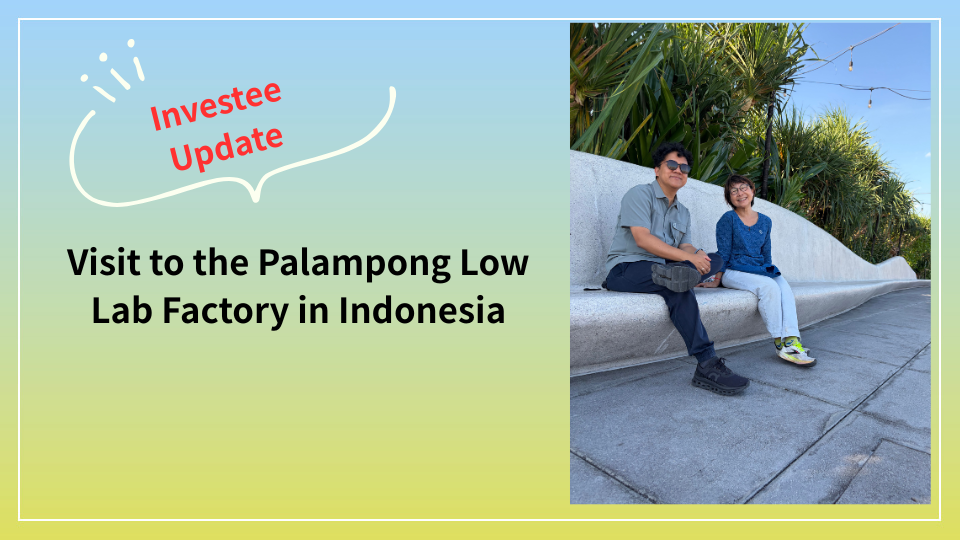
Recently, Satoko Kono, Representative Director of ARUN Seed, visited the factory of Parong Pong Raw Lab (hereafter “Parong Pong”).
As we shared in our June newsletter, following the CSI Challenge 6 in 2025, ARUN has continued to hold regular meetings with Parong Pong as part of our ongoing due diligence process to explore the possibility of making an investment.
This time, we would like to give our readers a closer look at how and where Parong Pong’s products are made through the eyes of Satoko Kunou, who visited the company’s facilities in person.
About Parong Pong Raw Lab:
Parong Pong Raw Lab (Indonesia) was the Grand Prize winner of CSI Challenge 6. The company develops and sells new building materials made from difficult-to-recycle waste plastics, including discarded fishing nets, also known as ghost nets. Its founder, Rendy, has studied in Japan and places great importance on ARUN as a potential partner.
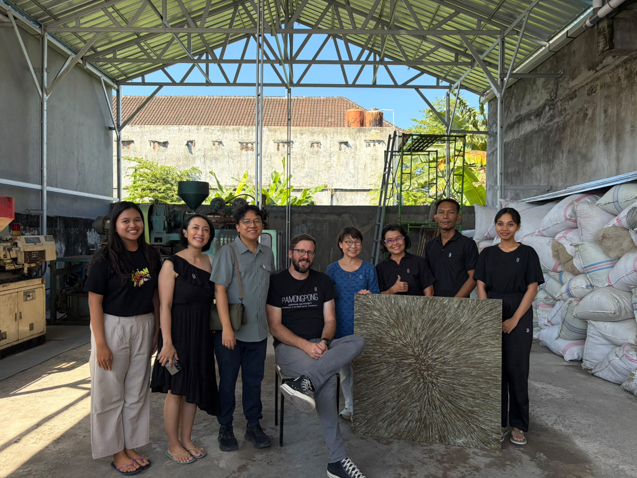
Group photo with employees working at the factory in Bali. The bags on the right contain collected ghost nets.
Parong Pong’s Warm Support in the Face of Unexpected Changes
There was actually an unexpected turn of events during the trip. Originally, after visiting the factory in Bali, we were scheduled to travel to Jakarta that same day to meet with a community that collects fishing nets there. However, our flight was canceled, leaving us stranded at Bali Airport for five hours. We had to rebook our flight to Jakarta and rearrange our taxi and hotel reservations.
Despite the sudden changes, Rendy kindly handled the cancellations and rebookings and responded flexibly to our revised schedule.
Parong Pong normally operates on a five-day workweek and is closed on Saturdays and Sundays. However, for ARUN’s visit, employees came to work on Saturday, operated the machinery, and gave us a firsthand explanation of the manufacturing process.
Thanks to Parong Pong’s warm welcome and generous support, we gained a much deeper understanding of the manufacturing process—something that could not have been fully captured through online meetings and documents alone.
Parong Pong: Providing Comprehensive Solutions
One of Parong Pong’s key characteristics is that its business model goes beyond simply collecting and recycling marine plastic and selling the resulting materials.
What they place particular importance on is innovation: developing new materials and proposing new possibilities for spatial and architectural design.
This philosophy is reflected in the name of their product, Oliplas, which stands for “Optimized Residual Innovative Plastic Solution.” The name embodies their vision of creating not simply recycled plastic, but innovative solutions for architecture.
Oliplas is proposed as an alternative to wood as a building material, with applications including flooring and wall panels.
The Palsabika Pavilion, jointly constructed by Parong Pong and three partner companies
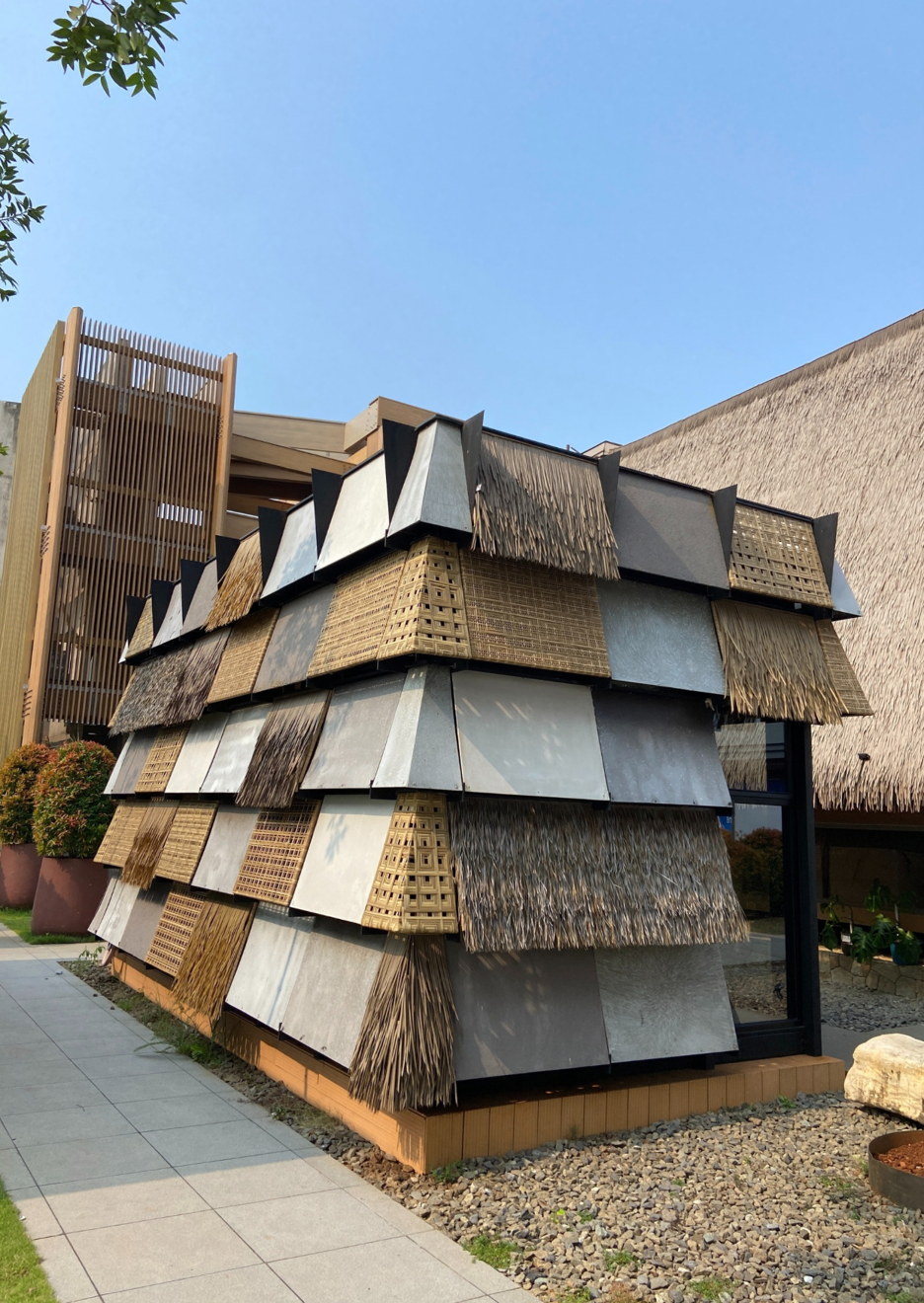
At the Parsavika Exhibition Center, located on the outskirts of Jakarta, visitors can see architecture that brings their ideas to life. The exhibition center was built through a collaboration between four companies: PT Wijaya Karya Bangunan Gedung Tbk (WEGE), Saint-Gobain Indonesia, Viro, and Parongpong.
The space incorporates a variety of materials, including OryPlas, into actual architectural structures. By doing so, the partners can explore the potential of these materials for real-world applications while also promoting the principles of a circular economy.
Even the name “Parsavika” reflects this philosophy. PAR comes from the English word “par,” meaning equal; SAVI is derived from the Italian salvare, meaning “to save”; and KA comes from the Japanese word 家 (ka), meaning “home.” Together, the name represents the idea of “protecting our shared home, the Earth, through equal partnership.” The inclusion of a Japanese character in the name's concept is particularly interesting.
What makes Parongpong’s products especially innovative is their use of materials that have traditionally been difficult to recycle. These include coffee grounds, cacao husks, tobacco waste, and concrete debris. Different combinations and proportions of these materials create unique patterns, textures, and finishes, giving each product its own distinctive character.
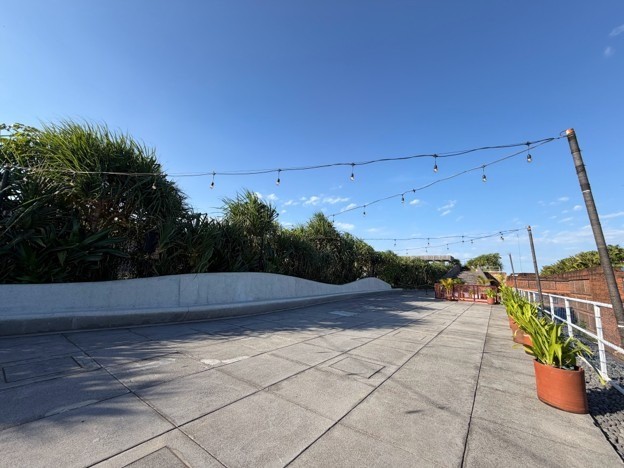
Parongpong products are also available at Potato Head Beach Club in Bali, which Mr. Kino visited during his research trip. Benches made from Parongpong materials have been installed there, using plastic waste that might otherwise have ended up in the ocean.
Potato Head Beach Club is a creative complex that brings together hospitality, restaurants, music, art, design, and wellness. With an oceanfront pool, restaurants, and bars, it is a popular destination where visitors can enjoy sunsets, food, and music events. However, it is much more than simply a luxury resort.
Describing itself as a “creative village by the ocean,” Potato Head aims to demonstrate and promote a more environmentally conscious approach to both everyday living and tourism without sacrificing enjoyment, beauty, or creativity.
Parongpong creates new value from materials that would otherwise be discarded, while Potato Head promotes a more sustainable way of living. It was likely this shared philosophy that led to Parongpong’s benches being chosen for the space.
Below: A bench at Potato Head Beach Club made using Parongpong materials.

Strengthening Production Capacity
As Parongpong looks to expand its business and reach a broader range of customers, strengthening its production capacity has also become an important priority.
Two months ago, the company built a new factory in the Bandung area of the Dakon. It has also purchased secondhand machinery and is working to expand its capacity to manufacture smaller products.
To increase production, invest in equipment, expand its sales channels, and secure additional funding, earning the trust of financial institutions and investors will be essential.
At the same time, even as the company grows, Parongpong remains committed to something beyond simply maximizing profits.
I believe the reason they describe ARUN as an important partner is that they see us not simply as an investor seeking financial returns, but as a partner who understands and shares the values and vision at the heart of their business.
To learn more about Parongpong’s products and philosophy, please visit the Parongpong RAW Lab website: https://parongpong.com/
- 2. [Activity Report] Special Talk Session Featuring CSI Challenge 7 Finalists and the ARUN Dojo Team
Special Session: “How Do Social Entrepreneurs Create Social Impact?”
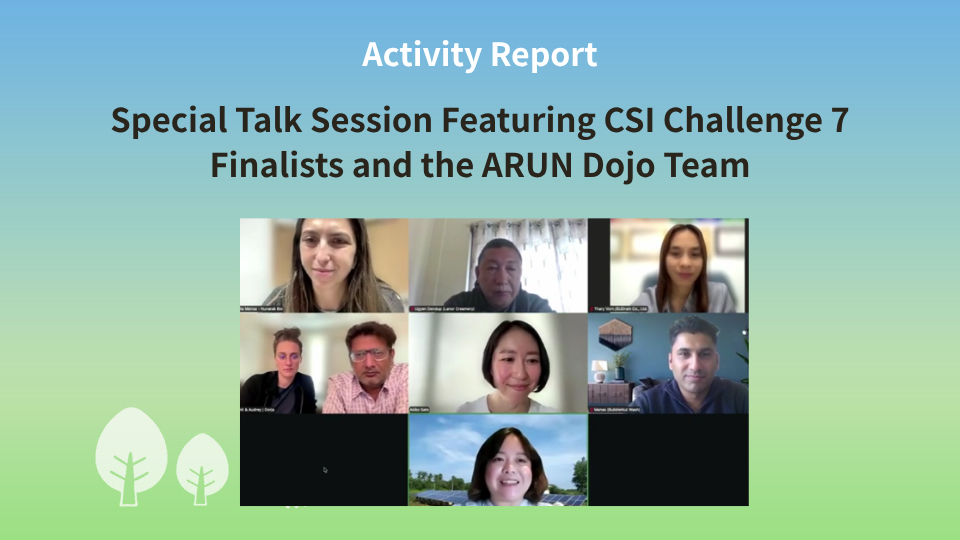
During the CSI Challenge 7 final judging session on May 26, a special session led by the ARUN Dojo team took place while the judges deliberated in a separate room.
The session was moderated by Akiko Sato, an ARUN Seed member and attorney. Moving beyond the framework of a business competition, it provided a valuable opportunity for the finalists to share their experiences and challenges with one another. For us, the members of ARUN Seed, it was also a learning experience that gave us insight into the mindset and struggles of social entrepreneurs—aspects that aren’t always apparent from their presentations alone.
A sense of tension still lingers in the venue now that the presentations have just concluded. As if to ease that atmosphere, Sato began the session by saying, “This session will not affect the judging, so please feel free to relax. I’m sure some of you are up in the middle of the night due to the time difference, and others have a long day ahead of you. However, it’s a rare opportunity for entrepreneurs active around the world to gather in one place. I’d be delighted if the connections made here lead to lasting relationships in the future. Please relax and share your experiences.” The session began with this appeal from Ms. Sato.
Making Social Impact Tangible
Ms. Sato’s first question was, “How do you measure social impact and ensure it is sustainable?”
Mr. Barani, the representative of Techno Hill Engineering, explained that, based on the principles of human-centered design, his team has been reaching out to local women’s groups, village schools, and clinics to conduct repeated focus group discussions. He said they are developing solutions by listening to local residents' voices. He also noted that by continuously measuring the project's impacts and sharing the results with local government and the community, they can visibly demonstrate “what changes have occurred in the region,” which in turn fosters understanding and cooperation for the project.
Ms. Tally, CEO of SUDrain, echoed Mr. Barani’s sentiments and explained that her organization uses three evaluation criteria: “impact on people,” “economic feasibility,” and “contribution to the environment.”
When Ms. Sato asked, “How do you identify the most appropriate methods for evaluating your own projects?” Ms. Tally replied, “We participate in training programs offered by the United Nations Industrial Development Organization (UNIDO) and utilize guidelines from various international organizations. However, the evaluation methods differ depending on who we are presenting the results to.” Currently, they use UNIDO’s tools to calculate metrics such as daily wastewater treatment volume, the amount of coconut shells used as filter media, and greenhouse gas reduction, thereby visualizing their social impact.
Manas, CEO of BubblenutWash, explained that, with support from TechnoServe and the IKEA Foundation, they evaluate their environmental contributions using specific metrics, such as the number of households that have switched to their detergent, the amount of laundry water reused, and the number of people trained to use the product.
Visualizing and Evaluating Impacts That Are Hard to See
Ms. Sato then prompted a further response, saying, “You’ve shown us various aspects of this evaluation. I feel that, going beyond the economic aspect, ideal changes are taking place both environmentally and socially.”
Manas explained that Indigenous women with limited access to formal education now work in groups of about 20 to record their harvests and calculate their own payments. He considers the experience of recording numbers and managing money over time a qualitative indicator of impact, as it builds their confidence and gradually contributes to changes in women's standing within their households.
Nunatak Biotech is a company that sells seeds treated with microorganisms that help improve salt-affected soil. Its representative, Julia, explained that while they can measure indicators such as germination rates, yields, and the area of farmland affected by the treatment, it is not easy to communicate the severity of soil salinity to farmers because the damage itself is invisible and progresses gradually. The company is currently working to raise awareness of soil salinity through initiatives such as educational videos.
Many of the entrepreneurs explained that measuring social impact is useful not only for communicating their achievements to supporters but also for reflecting on their own businesses, identifying challenges, and making improvements.
As Understanding of the Challenges Deepens, Approaches Can Evolve
The discussion took a new turn following a question from Sato: “Because you place such importance on your impact on communities, I imagine you spend considerable time helping community members understand your business. How do you begin a conversation with local stakeholders?”
Amit, CEO of Oorja, and Audrey, Chief Business Officer, explained that when they first founded the company, they assumed that providing affordable household electricity would improve the quality of life in rural communities. However, through repeated dialogue with a wide range of stakeholders, they came to realize that what people actually needed was not electricity for household use, but power to operate agricultural irrigation pumps. In response, they shifted to their current business model, using small-scale solar power to operate irrigation pumps and charging users based on the amount of electricity they consume.
Eugen, CEO of Lanor Creamery, had a similar experience. He initially believed that producing cheese would be key to increasing the business of farmers who raise yaks. However, through continued conversations with local communities, he learned that their most pressing concern was actually the loss of yaks to attacks by snow leopards and Himalayan bears. As a result, he explained that the company first focused on developing an insurance system to compensate farmers for livestock losses.
For Social Entrepreneurs, the Original Purpose Must Remain Clear
One final point raised by Manas was particularly striking.
After launching the company, they received investment offers from many investors. Some of them, however, expected the company to prioritize economic growth over social impact.
After launching the company, they received investment offers from many investors. Some of them, however, expected the company to prioritize economic growth over social impact.
Manas firmly stated, “The reason we started this business was to contribute to the lives and environment of Indigenous people. The purpose of a business must be defined from the very beginning.”
For ARUN Seed, this special session was also a valuable opportunity to learn from the challenges social entrepreneurs face. Entrepreneurs working in different countries and communities shared their experiences and insights, while we, too, continued to learn through those conversations. In this sense, the session reflected the kind of ecosystem ARUN Seed hopes to foster.
(Written by Naoko Tereda)